
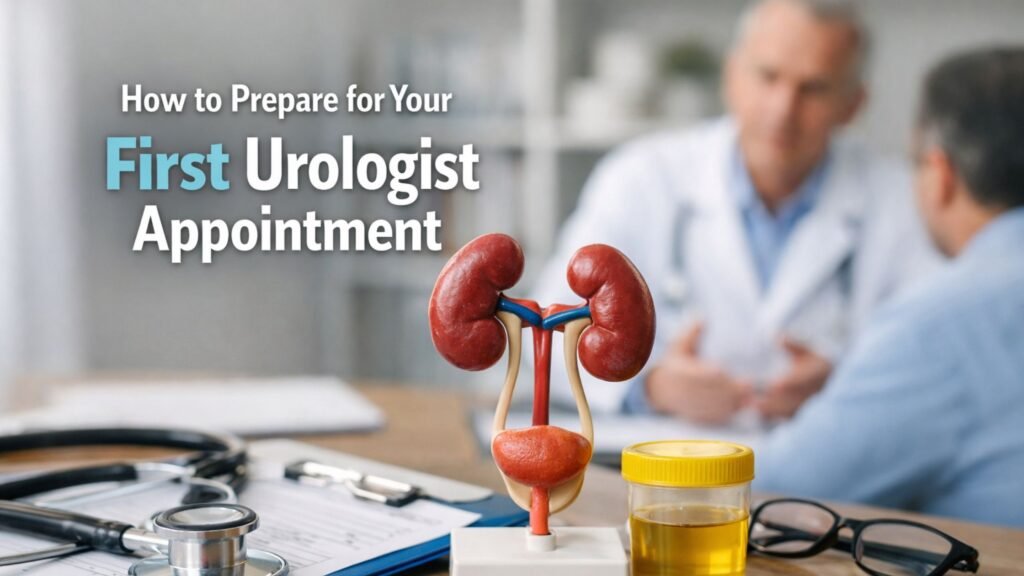
Visiting a urologist for the first time can feel a little nerve-wracking. Maybe you’ve been dealing with a nagging symptom and finally decided to get it checked. Or your GP referred you, and you’re not quite sure what to expect. Either way, going in prepared makes a real difference.
This guide walks you through everything — from what a urologist actually does, to the documents you need, the questions you should ask, and what happens during your first visit. By the end, you’ll feel confident and ready.
If you’re in Dubai and looking for a trusted specialist, check out our expert urologist in Dubai page to learn more about advanced diagnosis and treatment options.
What Is a Urologist and What Do They Treat?
A urologist is a doctor who specializes in the urinary tract and male reproductive system. That covers a wide range of conditions — from kidney stones and urinary infections to prostate problems and fertility issues.
Many people confuse urologists with nephrologists. While both deal with kidneys, a nephrologist focuses on kidney diseases and their medical management, while a urologist handles the surgical and structural side of things. Our blog on the difference between a urologist and nephrologist explains this clearly.
Common reasons people see a urologist include:
- Frequent or painful urination
- Blood in the urine (hematuria)
- Kidney stones
- Prostate issues — including enlargement or cancer screening
- Erectile dysfunction or male infertility
- Urinary incontinence
- Recurrent urinary tract infections (UTIs)
- Pelvic pain or discomfort
Want a full breakdown? Read: What Does a Urologist Treat — A Complete Guide for Patients.
When Should You See a Urologist?
Not every urinary symptom needs a specialist, but some signs definitely do. Here’s a simple way to think about it: if your GP has already looked into a symptom and it’s not getting better, or if your symptom is serious from the start, it’s time to see a urologist.
Go sooner rather than later if you notice:
- Blood in your urine — even once, even without pain
- Pain in your lower abdomen, side, or back that won’t go away
- Difficulty starting or stopping urination
- Burning or discomfort during urination that keeps coming back
- Any change in sexual function, especially in men over 40
- A family history of kidney stones, prostate cancer, or bladder cancer
These symptoms don’t always mean something serious — but they do need proper evaluation. Catching issues early is always easier to treat.
How to Prepare for Your First Urologist Appointment
Good preparation helps your doctor get a clear picture of your health fast. Here’s what to do before you walk in.
1. Gather Your Medical Records
If you’ve seen other doctors for the same issue, bring those records. This includes test results, imaging reports (like ultrasounds or CT scans), previous prescriptions, and any referral letters from your GP.
If you’ve had any urology-related tests done — like a PSA test, urine culture, or kidney ultrasound — those are especially useful. Our guide on urology tests explained breaks down what these tests mean and why they matter.
2. Write Down Your Symptoms
This sounds basic, but it’s genuinely helpful. Doctors see many patients, and having your symptoms clearly listed saves time and ensures nothing gets missed.
Note down:
- When symptoms started
- How often they occur
- What makes them better or worse
- Whether you’ve tried any treatments already
- Any other symptoms you’ve noticed, even if they seem unrelated
3. Make a List of All Medications and Supplements
Bring a full list of everything you’re currently taking — prescription medications, over-the-counter pills, vitamins, and herbal supplements. Some medications can affect urinary function or interfere with treatments, so your doctor needs to know.
4. Know Your Family Medical History
Urological conditions like kidney stones, prostate cancer, and bladder problems can run in families. If you know of any relatives who’ve had these issues, mention it. It helps your doctor assess your risk more accurately.
5. Prepare a Urine Sample (If Possible)
Many urology clinics ask for a urine sample at your first visit. It’s a good idea to check with the clinic beforehand. If they do need one, collect a midstream sample in a clean container that morning.
Midstream means: let a little urine out first, then collect the sample. This avoids contamination and gives a more accurate result.
6. Stay Hydrated — But Don’t Overdo It
Drink water normally on the day of your appointment. Don’t fast or restrict fluids unless specifically told to. Some tests require a comfortably full bladder, so ask the clinic when you book.
7. List Your Questions in Advance
You’ll likely have questions. Write them down before your appointment — it’s easy to forget in the moment. Common questions patients ask:
- What could be causing my symptoms?
- What tests will I need today, and why?
- Are there lifestyle changes that could help?
- What are my treatment options?
- How urgent is this — do I need to follow up quickly?
- Are there any medications I should avoid?
What to Expect During Your First Urologist Visit
Knowing what happens in the appointment helps reduce anxiety. Here’s a realistic overview of what a first visit typically looks like.
Initial Consultation and History-Taking
Your doctor will start by asking about your symptoms, medical history, and lifestyle. This part can take 15–20 minutes. Be open and specific — the more honest detail you give, the better your doctor can help.
Don’t downplay symptoms out of embarrassment. Urologists deal with intimate health issues every day. There’s nothing you can say that will surprise them.
Physical Examination
Depending on your symptoms, a physical exam may be necessary. For men, this might include an abdominal exam, a check of the genitals, or a prostate exam (digital rectal exam). For women, an abdominal or pelvic exam may be done.
These exams are standard, quick, and performed professionally. Your comfort and dignity are always respected.
Diagnostic Tests
Your urologist may order or perform a few tests during your first visit. These commonly include:
- Urinalysis — checking your urine for signs of infection, blood, or other markers
- Blood tests — checking kidney function, PSA levels, or hormonal markers
- Ultrasound — imaging the kidneys, bladder, or prostate
- Flow rate test — measuring how well you urinate
Not all tests are done on the first visit. Your doctor may ask you to come back after some initial results are ready.
Discussion and Next Steps
At the end of the visit, your urologist will explain their findings, possible diagnoses, and next steps. This might include further testing, a treatment plan, or a referral to another specialist if needed.
Ask for clarification if something is unclear. You’re entitled to understand your own health fully.
Common Urology Tests You Might Be Asked to Do
Urology relies heavily on diagnostic tests to get accurate answers. Here’s a quick overview of the most common ones you might encounter.
PSA Test
PSA (Prostate-Specific Antigen) is a blood test used to screen for prostate problems, including prostate cancer. It’s recommended for men over 50, or earlier if there’s a family history of prostate issues.
Urine Culture
This test identifies bacteria in the urine and is used to diagnose urinary tract infections. It takes 2–3 days for results, as the bacteria need time to grow in the lab.
Kidney Ultrasound
A non-invasive scan that shows the size, shape, and structure of the kidneys and bladder. It’s painless and takes about 20–30 minutes.
Urodynamic Testing
This assesses how well the bladder and urethra function, especially for people with urinary incontinence or flow problems.
For a detailed breakdown of what each test involves and what the results mean, visit our guide: Urology Tests Explained — Ultrasound, PSA, and Urine Tests.
Tips for Getting the Most Out of Your Appointment
A few practical tips that help a lot:
- Arrive 10–15 minutes early to fill out any intake forms without rushing.
- Bring a trusted person if you’d like support — especially for difficult diagnoses.
- Be honest about lifestyle factors like diet, alcohol, smoking, and sexual activity. These directly affect urological health.
- Don’t stop any medications before the appointment unless your doctor specifically asked you to.
- Follow up if results take longer than expected — it’s okay to call the clinic.
Men’s Health and Urology: What You Should Know
Men often put off going to the doctor, especially for issues related to sexual or reproductive health. But men’s urological health is just as important as any other aspect of wellbeing.
Urologists who specialize in men’s health — also called andrologists — deal with:
- Erectile dysfunction (ED)
- Male infertility and sperm-related issues
- Testosterone deficiency
- Premature ejaculation or other sexual function concerns
- Varicocele — enlarged veins in the testicle that can affect fertility
These issues are more common than people think, and they’re all treatable. Getting help early leads to better outcomes.
Urology for Women: It’s Not Just a Male Specialty
Urology treats women too. Women can develop kidney stones, UTIs, bladder prolapse, urinary incontinence, and interstitial cystitis — a chronic bladder condition.
If you’re a woman experiencing any of the following, a urologist can help:
- Recurrent UTIs (three or more per year)
- Leaking urine when you cough, sneeze, or exercise
- A feeling of pressure in the pelvic area
- Pain during or after urination
- Frequent nighttime urination
Lifestyle Changes That Support Urological Health
Your urologist might recommend some lifestyle adjustments alongside any medical treatment. These changes can make a real difference.
Stay Hydrated
Drinking enough water helps flush the urinary tract and reduces the risk of infections and kidney stones. Aim for 2–3 litres a day, more if you’re active or the weather is warm — as is common in Dubai.
Watch Your Diet
High salt, high protein, and high oxalate foods (like spinach, nuts, and chocolate) can increase the risk of kidney stones. Reducing red meat and processed foods also supports prostate health.
Maintain a Healthy Weight
Obesity is linked to bladder problems, urinary incontinence, and prostate issues. Even moderate weight loss can improve symptoms significantly.
Limit Alcohol and Caffeine
Both alcohol and caffeine irritate the bladder. If you’re dealing with frequent urination or urgency, reducing these can help.
Don’t Ignore Symptoms
This is the most important habit. Urological conditions are usually much easier to treat when caught early. If something doesn’t feel right, get it checked.
How to Find the Right Urologist in Dubai
Dubai has many medical specialists, but finding one with the right training and experience matters. When choosing a urologist, look for:
- Board-certified credentials (FCPS, FRCS, or equivalent)
- Experience in your specific condition
- A clinic that communicates clearly and values patient comfort
- Good availability for follow-ups and test results
Learn more about what to expect from specialist care: Expert Urologist in Dubai — Diagnosis, Treatment, and Advanced Care.
You can also explore the full range of urology services available in Dubai at our clinic page.
Meet Dr. Syed Imtiaz Ali — Your Trusted Urologist in Dubai
If you’re looking for expert urological care in Dubai, Dr. Syed Imtiaz Ali brings the kind of qualifications and experience that genuinely make a difference.
Dr. Syed Imtiaz Ali is a certified medical surgeon with specialized expertise in:
- Urology — diagnosis and treatment of urinary and reproductive system conditions
- General Surgery — surgical care across a wide range of conditions
- Men’s Health (Andrology) — erectile dysfunction, male fertility, and hormonal health
- Sexology — sexual health issues in both men and women
- Fertility Treatment — diagnosis and management of reproductive health problems
His qualifications include:
- MBBS
- FCPS (Surgery)
- FCPS (Urology)
- FRCS (Ireland)
- FRCS (Edinburgh), UK
With FCPS certification and a fellowship from two of the world’s most respected surgical colleges, Dr. Imtiaz combines international training with hands-on experience in urology, surgery, and general medicine.
Whether you’re dealing with kidney stones, prostate concerns, fertility issues, or sexual health problems, you’ll receive honest, evidence-based care in a professional and comfortable setting.
Final Thoughts
Your first urologist appointment doesn’t need to be stressful. Prepare your records, write down your symptoms, drink water, and show up with your questions ready. The rest is the doctor’s job.
Urological health affects your quality of life in real, everyday ways — from how you sleep to how you feel physically and emotionally. Taking that first step to get checked is always the right move.
For more information on what to expect from urological care, browse these helpful resources:
- What Does a Urologist Treat? Complete Guide for Patients
- Expert Urologist in Dubai — Diagnosis, Treatment, Advanced Care
- Difference Between Urologist and Nephrologist
- Urology Tests Explained — Ultrasound, PSA, Urine Tests
- Urology Services in Dubai

Dr. Syed Imtiaz Ali is a leading Consultant Urologist in Dubai with extensive experience in treating complex urological conditions. He is committed to providing compassionate, evidence-based care to help patients achieve better health and peace of mind.