
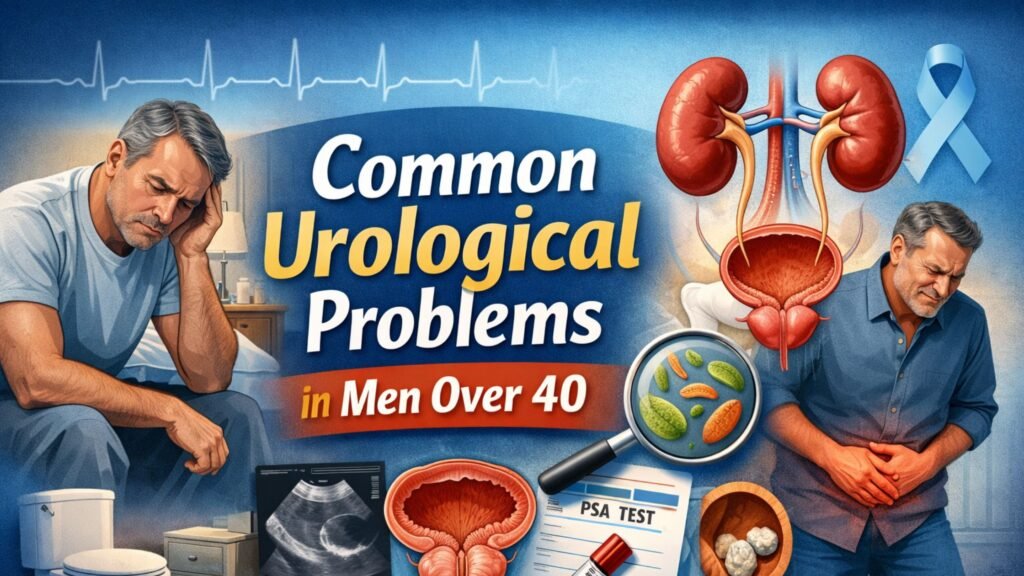
After hitting 40, many men start noticing changes in their urinary and reproductive health. These changes are normal, but they shouldn’t be ignored. Understanding common urological problems can help you recognize symptoms early and seek treatment before conditions worsen.
This guide covers the most frequent urological issues men face after 40, their symptoms, causes, and available treatments. Whether you’re experiencing symptoms or just want to stay informed, this information can help you make better decisions about your health.
Why Men Over 40 Face More Urological Issues
Your body changes as you age. Hormones shift, tissues lose elasticity, and organs don’t function quite like they used to. For men, these changes often affect the urinary and reproductive systems.
The prostate gland, which sits below the bladder, typically enlarges with age. Testosterone levels gradually decline. Blood flow changes. Lifestyle factors like diet, exercise, and stress also play a role in urological health.
These changes don’t mean you’re destined for health problems. But they do increase your risk for certain conditions. Knowing what to watch for helps you catch issues early when they’re easier to treat.
Benign Prostatic Hyperplasia (BPH)
BPH is one of the most common urological conditions in men over 40. It refers to an enlarged prostate gland that isn’t cancerous. As the prostate grows, it can press against the urethra and make urination difficult.
Symptoms of BPH
Men with BPH often experience frequent urination, especially at night. You might feel like you need to urinate urgently, even when your bladder isn’t full. The urine stream may be weak or start and stop. Some men have trouble starting urination or feel like their bladder doesn’t empty completely.
These symptoms develop gradually. Many men dismiss them as normal aging, but treatment can significantly improve quality of life.
What Causes BPH
The exact cause isn’t fully understood, but hormonal changes related to aging play a major role. As testosterone levels change and estrogen levels remain relatively stable, the balance between these hormones affects prostate growth.
Family history matters too. If your father or brother had BPH, you’re more likely to develop it. Obesity and lack of physical activity also increase your risk.
Treatment Options
Mild BPH can be managed with lifestyle changes. Limiting fluids before bedtime, avoiding caffeine and alcohol, and staying physically active can help reduce symptoms.
For moderate to severe cases, medications can relax the prostate and bladder muscles or shrink the prostate tissue. Alpha-blockers work quickly to improve urine flow. 5-alpha reductase inhibitors gradually reduce prostate size over several months.
When medications aren’t enough, minimally invasive procedures can remove excess prostate tissue. These procedures typically have shorter recovery times than traditional surgery.
Erectile Dysfunction (ED)
Erectile dysfunction becomes more common with age. While occasional difficulty getting or maintaining an erection is normal, persistent problems can indicate underlying health issues.
Understanding ED Symptoms
ED isn’t just about performance. It can affect your confidence, relationships, and overall quality of life. Symptoms include difficulty achieving an erection, trouble maintaining an erection during sexual activity, and reduced sexual desire.
These symptoms can develop suddenly or gradually over time. They might occur occasionally or during every sexual encounter.
Common Causes in Men Over 40
ED often results from physical conditions rather than psychological factors in men over 40. Cardiovascular disease is a leading cause because erections require healthy blood flow. Diabetes damages blood vessels and nerves that control erections. High blood pressure and high cholesterol also contribute to ED.
Hormonal changes, particularly declining testosterone levels, affect sexual function. Certain medications, including those for blood pressure and depression, can cause ED as a side effect.
Lifestyle factors matter significantly. Smoking damages blood vessels, excessive alcohol consumption impairs sexual function, and obesity increases ED risk. Stress and anxiety can worsen symptoms even when physical causes are present.
Available Treatments
Treatment depends on the underlying cause. For many men, lifestyle modifications make a real difference. Regular exercise improves cardiovascular health and blood flow. Maintaining a healthy weight reduces ED risk. Quitting smoking and limiting alcohol can improve symptoms.
Medications like sildenafil, tadalafil, and vardenafil help many men achieve and maintain erections by increasing blood flow. These medications are effective for most men but require a prescription and medical supervision.
Hormone therapy might be appropriate if low testosterone contributes to ED. Other options include vacuum devices, penile injections, and in severe cases, surgical implants.
Understanding what conditions a urologist treats can help you decide when to seek professional help for erectile dysfunction.
Prostate Cancer Screening and Awareness
Prostate cancer is the second most common cancer in men. Risk increases significantly after 40, making awareness and screening important.
Who Should Get Screened
The decision to screen for prostate cancer should be made with your doctor based on your individual risk factors. Men with a family history of prostate cancer face higher risk and might benefit from earlier screening. African American men also have higher rates of prostate cancer.
Screening typically involves a PSA blood test and digital rectal exam. These tests don’t diagnose cancer but can indicate whether further testing is needed.
Early Detection Matters
Early-stage prostate cancer often causes no symptoms. As it progresses, symptoms might include difficulty urinating, blood in urine or semen, bone pain, and unexplained weight loss.
Many prostate cancers grow slowly and don’t require immediate treatment. Active surveillance might be appropriate for low-risk cancers. More aggressive cancers require treatment such as surgery, radiation, or hormone therapy.
Regular check-ups with a qualified urologist help catch potential problems early when treatment outcomes are typically better.
Urinary Tract Infections (UTIs)
While UTIs are more common in women, men over 40 face increased risk due to prostate enlargement and other factors.
Recognizing UTI Symptoms
Common symptoms include a burning sensation during urination, frequent urge to urinate, cloudy or bloody urine, and pelvic discomfort. Some men also experience fever, chills, and back pain if the infection spreads to the kidneys.
Unlike in younger men, UTIs in men over 40 often indicate an underlying urological problem that needs attention.
Why Older Men Get UTIs
BPH can prevent complete bladder emptying, creating an environment where bacteria can multiply. Kidney stones, urinary catheters, and a weakened immune system also increase infection risk.
Diabetes makes UTIs more likely and harder to treat. Poor hygiene and certain sexual practices can introduce bacteria into the urinary tract.
Treatment and Prevention
Antibiotics effectively treat most UTIs. The specific antibiotic and treatment duration depend on the infection’s severity and location. Drinking plenty of water helps flush bacteria from the urinary system.
Prevention focuses on addressing underlying causes. Treating BPH, managing diabetes, and maintaining good hygiene reduce UTI risk. Don’t hold urine for extended periods, and urinate after sexual activity.
If you get frequent UTIs, your doctor should investigate underlying causes. Structural problems or incomplete bladder emptying might need specific treatment.
Low Testosterone (Hypogonadism)
Testosterone levels naturally decline about 1% per year after age 30. But some men experience more significant drops that affect their health and quality of life.
Symptoms to Watch For
Low testosterone can cause fatigue, reduced muscle mass, increased body fat, and mood changes. Sexual symptoms include decreased libido, erectile dysfunction, and fewer spontaneous erections.
Some men experience difficulty concentrating, memory problems, and depression. Physical symptoms might include reduced bone density and anemia.
These symptoms aren’t specific to low testosterone, so testing is necessary to confirm the diagnosis.
When to Consider Treatment
Not every man with low testosterone needs treatment. If you’re experiencing symptoms that affect your quality of life and tests confirm low levels, treatment might be appropriate.
Testosterone replacement therapy comes in various forms including injections, patches, gels, and pellets. Each has advantages and disadvantages. Treatment should be supervised by a specialist who monitors your levels and adjusts dosing as needed.
Before starting treatment, your doctor should rule out other causes of your symptoms and discuss potential risks. Testosterone therapy isn’t appropriate for men with prostate cancer or certain other conditions.
Kidney Stones
Kidney stones become more common with age. These hard deposits of minerals and salts can cause severe pain and urinary problems.
Identifying Kidney Stone Symptoms
The classic symptom is intense pain in your side and back, below the ribs. Pain might spread to your lower abdomen and groin as the stone moves through your urinary tract.
Other symptoms include pink, red, or brown urine, cloudy or foul-smelling urine, frequent urination, and nausea. You might feel a persistent need to urinate or only pass small amounts of urine at a time.
Fever and chills indicate a possible infection, which requires immediate medical attention.
Risk Factors and Prevention
Dehydration is the leading risk factor for kidney stones. Not drinking enough water concentrates minerals in your urine, making stone formation more likely.
Diet plays a significant role. High sodium intake, excessive animal protein, and certain medical conditions increase risk. Obesity and digestive diseases that affect calcium absorption also contribute.
Prevention focuses on staying well-hydrated. Drink enough water to produce about 2 liters of urine daily. Limiting sodium and animal protein helps. Your doctor might recommend dietary changes based on the type of stones you form.
Treatment Approaches
Small stones often pass on their own with plenty of fluids and pain medication. Larger stones might require intervention.
Several procedures can break up or remove stones. Shock wave lithotripsy uses sound waves to break stones into smaller pieces. Ureteroscopy involves inserting a small scope through the urethra to remove or break up stones. Very large stones might require percutaneous nephrolithotomy, where the surgeon makes a small incision in your back to access and remove the stone.
After treatment, your doctor should analyze the stone composition to help prevent future stones.
Bladder Control Problems (Incontinence)
Urinary incontinence affects many men over 40 but isn’t a normal part of aging that you just have to accept.
Types of Male Incontinence
Stress incontinence occurs when physical activity, coughing, sneezing, or laughing puts pressure on the bladder and causes leakage. This type is less common in men than women but can occur after prostate surgery.
Urge incontinence involves a sudden, intense urge to urinate followed by involuntary leakage. This often results from an overactive bladder.
Overflow incontinence happens when the bladder doesn’t empty completely, causing frequent or constant dribbling. BPH commonly causes this type.
Underlying Causes
Prostate problems, including BPH and prostate cancer treatment, frequently cause incontinence in men. Urinary tract infections, neurological disorders, and certain medications also contribute.
Age-related changes in bladder muscle strength and capacity affect control. Obesity puts extra pressure on the bladder and pelvic floor muscles.
Managing and Treating Incontinence
Treatment depends on the type and cause of incontinence. Pelvic floor exercises (Kegel exercises) strengthen the muscles that control urination. Bladder training involves scheduled bathroom trips and gradually increasing the time between urinations.
Lifestyle modifications help many men. Limiting caffeine and alcohol, maintaining a healthy weight, and avoiding bladder irritants can reduce symptoms.
Medications can relax an overactive bladder or improve bladder emptying. More severe cases might benefit from devices like urethral inserts or surgical procedures to support the bladder or urethra.
Urethral Stricture
Urethral stricture is a narrowing of the urethra, the tube that carries urine from the bladder out of the body. This condition becomes more common with age and can significantly impact urinary function.
Symptoms and Complications
A weak urine stream is the most common symptom. You might have difficulty starting urination, spray or split urine stream, or feel like your bladder doesn’t empty completely.
Without treatment, strictures can lead to urinary retention, UTIs, and bladder stones. The bladder might become overly distended from trying to force urine through the narrowed area.
Causes and Treatment
Strictures can result from injury, infection, previous medical procedures involving catheters, or inflammation. Sometimes the cause is unknown.
Mild strictures might be monitored without immediate treatment. More significant narrowing requires intervention. Dilation stretches the narrowed area using progressively larger instruments. Urethroplasty surgically removes the narrowed section and reconnects the healthy tissue.
The best treatment depends on the stricture’s location, length, and severity.
Hematuria (Blood in Urine)
Finding blood in your urine can be alarming, but it doesn’t always indicate a serious problem. Still, it should never be ignored.
When to Seek Medical Attention
Blood in urine can be visible (gross hematuria) or only detected under a microscope (microscopic hematuria). Both require medical evaluation to determine the cause.
Even if bleeding occurs only once and resolves on its own, see a doctor. The underlying cause needs to be identified and addressed if necessary.
Common Causes in Men Over 40
UTIs, kidney stones, and BPH commonly cause blood in urine. Vigorous exercise occasionally causes temporary bleeding that resolves with rest.
More serious causes include bladder cancer, kidney cancer, and kidney disease. Certain medications like blood thinners increase bleeding risk.
Your doctor will perform tests to identify the source. This typically includes urinalysis, imaging studies, and possibly cystoscopy to examine the bladder and urethra directly.
Male Infertility Issues
Fertility can decline with age, and various urological conditions affect sperm production and function.
Age-Related Changes
Sperm quality, quantity, and motility can decrease as men age. Testosterone decline affects sperm production. Oxidative stress increases with age, potentially damaging sperm DNA.
These changes don’t make pregnancy impossible, but they can make conception more difficult and increase the time needed to achieve pregnancy.
Medical Conditions Affecting Fertility
Varicoceles (enlarged veins in the scrotum) can impair sperm production and quality. Infections, hormonal imbalances, and obstructions in the reproductive tract also affect fertility.
Certain medications, including some used to treat BPH and high blood pressure, can impact sperm production. Lifestyle factors like smoking, excessive alcohol use, obesity, and exposure to environmental toxins reduce fertility.
Evaluation and Treatment
A semen analysis provides information about sperm count, motility, and morphology. Hormone testing can identify imbalances affecting fertility.
Treatment depends on the underlying cause. Varicoceles can be surgically corrected. Hormonal imbalances might respond to medication. Lifestyle modifications often improve sperm quality.
Assisted reproductive technologies like IVF might be appropriate when other treatments don’t help or when female factors also affect fertility.
Understanding the difference between a urologist and nephrologist can help you choose the right specialist for fertility concerns.
Testicular Problems
While testicular cancer is relatively rare, men should be aware of other testicular conditions that become more common after 40.
Testicular Pain and Swelling
Epididymitis (inflammation of the tube at the back of the testicle) can cause pain, swelling, and fever. Orchitis (inflammation of the testicle itself) causes similar symptoms.
These conditions typically result from bacterial infections, including sexually transmitted infections, or sometimes from viral infections like mumps.
When to Perform Self-Exams
Monthly testicular self-exams help detect abnormalities early. The best time is after a warm shower when the scrotal skin is relaxed.
Look for lumps, changes in size or shape, or unusual firmness. While most lumps aren’t cancerous, any abnormality should be evaluated promptly.
Testicular cancer most commonly affects men between 20 and 40, but it can occur at any age. Treatment is highly effective when detected early.
Peyronie’s Disease
Peyronie’s disease involves the development of fibrous scar tissue inside the penis, causing curved, painful erections.
Symptoms and Impact
The condition typically develops gradually. You might notice a lump or band of hard tissue under the skin of the penis. Erections become curved, shortened, or narrowed. Some men experience pain during erections or difficulty achieving penetration during intercourse.
The psychological impact can be significant, affecting confidence and relationships even when pain isn’t present.
Treatment Options
Some cases improve without treatment over 12-18 months. For others, the condition stabilizes but doesn’t resolve on its own.
Treatment options include oral medications, injections directly into the scar tissue, and surgery to remove or remodel the scar tissue. The best approach depends on the severity of symptoms, how long the condition has been present, and how much it affects your life.
Chronic Prostatitis/Chronic Pelvic Pain Syndrome
This condition causes pelvic pain and urinary symptoms but differs from bacterial prostatitis or BPH.
Identifying the Condition
Symptoms include pain in the pelvic region, genitals, or lower back that lasts at least three months. Urinary symptoms might include frequency, urgency, or discomfort. Some men experience pain during or after ejaculation.
The symptoms can come and go, varying in intensity. They might improve for weeks or months before returning.
Diagnosis and Management
Diagnosing chronic prostatitis can be challenging because the cause often isn’t clear. Your doctor will rule out infection and other conditions that cause similar symptoms.
Treatment focuses on managing symptoms. Alpha-blockers can help with urinary symptoms. Pain medications, anti-inflammatory drugs, and muscle relaxants might provide relief. Pelvic floor physical therapy helps some men.
Lifestyle modifications like stress reduction, avoiding triggers (certain foods or activities), and regular exercise can improve symptoms.
Hydrocele
A hydrocele is a fluid-filled sac around a testicle that causes swelling in the scrotum. While common in newborns, hydroceles can develop in adult men, particularly after 40.
Symptoms and Concerns
The main symptom is painless swelling in the scrotum. The size might vary throughout the day, often being smaller in the morning and larger by evening. While usually painless, large hydroceles can cause discomfort or a heavy feeling in the scrotum.
Hydroceles aren’t dangerous, but they should be evaluated to rule out other causes of testicular swelling, including tumors or hernias.
When Treatment Is Needed
Small hydroceles that don’t cause discomfort often don’t require treatment. Larger ones that cause pain or embarrassment can be surgically removed.
Aspiration (draining the fluid with a needle) provides temporary relief but the fluid usually returns. Surgery to remove the sac surrounding the testicle provides a permanent solution.
Recognizing When to See a Urologist
Many urological problems develop gradually, making it easy to dismiss symptoms or delay seeking treatment. But early intervention typically leads to better outcomes and easier treatment.
See a urologist if you experience persistent urinary symptoms like difficulty starting urination, weak stream, frequent nighttime urination, or inability to empty your bladder completely. Blood in your urine, persistent pain in your pelvis or lower back, or lumps or swelling in your testicles require prompt evaluation.
Sexual problems including erectile dysfunction, pain during intercourse, or fertility concerns should be discussed with a specialist. Even if symptoms seem minor, they might indicate conditions that worsen without treatment.
Getting expert care from a qualified urologist in Dubai ensures accurate diagnosis and appropriate treatment.
Lifestyle Changes That Support Urological Health
While you can’t prevent all urological problems, certain lifestyle choices reduce your risk and improve overall urological health.
Stay Hydrated
Drinking adequate water dilutes your urine and helps flush bacteria and minerals from your urinary system. Aim for about 2 liters of fluids daily, mostly from water. Increase intake during hot weather or physical activity.
Limit caffeine and alcohol, which can irritate the bladder and increase urination frequency.
Maintain a Healthy Weight
Obesity increases risk for numerous urological conditions including erectile dysfunction, incontinence, and kidney stones. Excess weight puts pressure on your bladder and pelvic floor muscles.
Even modest weight loss can significantly improve symptoms and reduce health risks.
Exercise Regularly
Physical activity improves cardiovascular health, which directly affects urological function. Good blood flow is essential for erectile function and overall urinary health.
Exercise helps maintain a healthy weight, reduces stress, and improves overall well-being. Aim for at least 150 minutes of moderate activity weekly.
Practice Good Hygiene
Proper hygiene prevents infections. Clean the genital area daily and always urinate after sexual activity to help flush bacteria from the urethra.
If you’re uncircumcised, gently retract the foreskin during cleaning to remove accumulated debris.
Don’t Ignore Your Urge to Urinate
Holding urine for extended periods can weaken bladder muscles and increase infection risk. When you feel the urge, find a bathroom reasonably soon.
That said, you don’t need to urinate every time you feel the slightest sensation. Finding a healthy balance supports good bladder function.
Manage Chronic Conditions
Diabetes, high blood pressure, and high cholesterol all affect urological health. Work with your doctor to manage these conditions through medication, diet, and lifestyle changes.
Good control of chronic diseases reduces complications including urological problems.
Quit Smoking
Smoking damages blood vessels throughout your body, including those that supply your urinary and reproductive organs. It increases risk for bladder cancer, erectile dysfunction, and other urological conditions.
Quitting smoking at any age provides health benefits.
The Importance of Regular Check-Ups
Many urological conditions develop slowly without obvious early symptoms. Regular check-ups allow your doctor to detect problems before they cause noticeable symptoms.
Starting at age 40, most men should have annual physical exams that include discussion of urological health. Your doctor can assess your risk factors and recommend appropriate screening based on your individual situation.
Don’t skip appointments or avoid discussing symptoms out of embarrassment. Urologists deal with these issues daily and have seen it all. Open communication helps your doctor provide the best care.
Getting Expert Urological Care in Dubai
If you’re experiencing any urological symptoms or have concerns about your urinary or reproductive health, seeking care from an experienced specialist is important.
Dr. Syed Imtiaz Ali is a highly qualified urologist serving patients at MedCare Hospital, Jumeirah, Dubai. With multiple certifications including MBBS, FCPS (Surgery), FCPS (Urology), FRCS (Ireland), and FRCS (Edinburgh) UK, he brings extensive expertise to his practice.
Dr. Ali specializes in comprehensive urological care including treatment of urinary problems, reproductive health issues, men’s health (andrology), sexology, and fertility concerns. His multidisciplinary background in urology, general surgery, and medicine allows him to provide thorough, patient-centered care.
Whether you need routine screening, diagnosis of symptoms, or treatment for a urological condition, Dr. Ali’s experience and credentials ensure you receive high-quality care. The clinic offers modern diagnostic tools and treatment options in a comfortable, professional environment.
Don’t let urological problems affect your quality of life. Early diagnosis and treatment lead to better outcomes and help you maintain your health and well-being.
Conclusion
Urological health becomes increasingly important for men over 40. While many changes are normal parts of aging, symptoms shouldn’t be ignored or dismissed as inevitable. Understanding common urological problems helps you recognize when something needs attention.
From BPH and erectile dysfunction to kidney stones and incontinence, most urological conditions respond well to treatment, especially when caught early. Lifestyle modifications, medical treatments, and minimally invasive procedures can effectively manage or resolve many problems.
Pay attention to your body, maintain healthy habits, and don’t hesitate to seek medical advice when symptoms develop. Regular check-ups and open communication with your healthcare provider support optimal urological health throughout your life.
Remember that experiencing urological symptoms doesn’t reflect on your masculinity or worth. These are medical conditions that affect millions of men and deserve proper medical attention just like any other health concern.

Dr. Syed Imtiaz Ali is a leading Consultant Urologist in Dubai with extensive experience in treating complex urological conditions. He is committed to providing compassionate, evidence-based care to help patients achieve better health and peace of mind.