
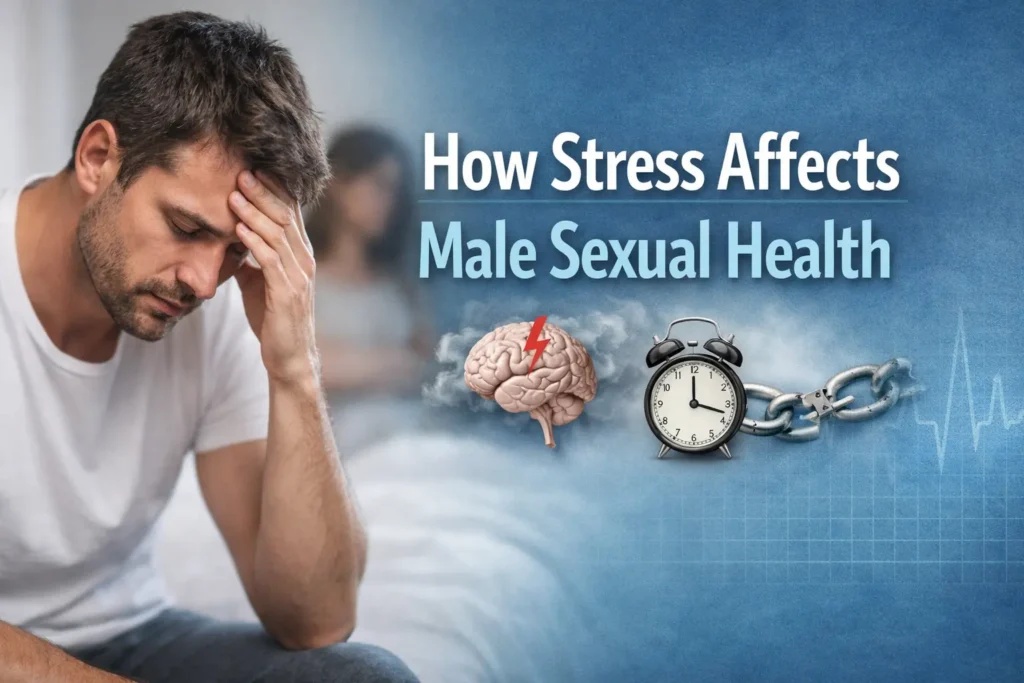
Stress is one of the most overlooked yet significant contributors to male sexual health problems. While many men associate sexual dysfunction with ageing or physical illness alone, clinical experience consistently shows that chronic stress, anxiety, and psychological pressure play a central role in conditions such as erectile dysfunction, low libido, and reduced fertility. Understanding this connection is the first step toward effective treatment and recovery.
As a consultant urologist, andrologist, and sexologist in Dubai, I regularly see patients whose sexual health concerns are directly linked to unmanaged stress. In this article, I will explain the medical relationship between stress and male sexual health, outline the symptoms to watch for, and discuss the diagnostic and treatment approaches available at our private clinic in Jumeirah, Dubai.
What Is Stress and How It Affects the Body
Stress is the body’s physiological and psychological response to perceived threats, challenges, or demands. In short bursts, stress can be adaptive — it sharpens focus and prepares the body for action through what is commonly known as the “fight or flight” response. However, when stress becomes chronic, it disrupts nearly every system in the body, including the cardiovascular, endocrine, nervous, and reproductive systems.
When the brain perceives a stressful event, the hypothalamic-pituitary-adrenal (HPA) axis is activated, triggering the release of cortisol, the body’s primary stress hormone. In the short term, cortisol mobilises energy reserves and suppresses non-essential functions such as digestion and reproduction. Over time, sustained elevation of cortisol interferes with hormonal balance, immune function, sleep regulation, and vascular health — all of which are directly relevant to male sexual function.
Chronic stress also activates the sympathetic nervous system, keeping the body in a prolonged state of alertness. This impairs the parasympathetic nervous system, which is responsible for relaxation, arousal, and the physiological processes required for erection and sexual response. In practical terms, a man who is constantly stressed is biologically working against the conditions his body needs to function sexually.
The Link Between Stress and Male Sexual Health
The relationship between stress and male sexual health is well established in medical literature and clinical practice. Stress affects sexual function through multiple pathways — hormonal, neurological, vascular, and psychological — and these pathways often interact with one another, compounding the problem.
Hormonally, elevated cortisol suppresses the production of testosterone, the primary male sex hormone responsible for libido, arousal, energy, and overall sexual function. When testosterone levels decline due to chronic stress, men often experience reduced desire, difficulty achieving or maintaining erections, and diminished satisfaction during intimacy.
Neurologically, stress disrupts the signalling between the brain and the reproductive organs. Sexual arousal begins in the brain, and the transmission of signals through the nervous system triggers the vascular changes needed for erection. Anxiety, overthinking, and mental fatigue interfere with this process, creating what many patients describe as a “disconnect” between desire and physical response.
Vascular health is also compromised by chronic stress. Cortisol promotes inflammation and contributes to endothelial dysfunction — a condition in which the blood vessels lose their ability to dilate properly. Since erection depends on increased blood flow to the penile tissue, any impairment of vascular function can directly affect erectile quality.
For a deeper understanding of how these systems are assessed and treated, I encourage reading What Is Andrology? A Complete Guide, which explains the medical specialty dedicated to male reproductive and sexual health.
Stress and Erectile Dysfunction Explained
Erectile dysfunction (ED) is one of the most common sexual health complaints among men experiencing chronic stress. While ED can have purely physical causes — such as diabetes, hypertension, or atherosclerosis — stress is a leading contributor, particularly in younger men who have no underlying vascular or metabolic disease.
Psychological erectile dysfunction occurs when mental and emotional factors prevent the normal arousal and erection process, despite the absence of structural or hormonal abnormalities. Performance anxiety is a particularly common manifestation: a man who has experienced one episode of difficulty may develop anticipatory anxiety about future encounters, creating a self-reinforcing cycle in which the fear of failure itself becomes the cause of dysfunction.
Chronic work stress, financial pressure, relationship conflict, and sleep deprivation all contribute to this pattern. The sustained activation of the sympathetic nervous system keeps the body in a state of tension that is physiologically incompatible with the relaxation required for erection. Many patients report that their erectile function is normal during periods of rest or reduced stress, which is an important diagnostic indicator that the cause is primarily psychological rather than organic.
It is also important to recognise that stress-related ED and physical ED frequently coexist. A man with mild vascular compromise may function adequately under normal circumstances but experience noticeable dysfunction during periods of high stress. This is why a thorough clinical evaluation is essential — an approach I prioritise at our clinic when providing erectile dysfunction treatment in Dubai.
Impact of Stress on Libido and Testosterone
Libido, or sexual desire, is regulated by a complex interplay of hormones, neurotransmitters, psychological state, and overall health. Testosterone is the dominant hormonal driver of male libido, and its production is highly sensitive to stress.
Chronic elevation of cortisol directly inhibits the hypothalamic-pituitary-gonadal (HPG) axis, the hormonal cascade responsible for testosterone synthesis. Research has consistently demonstrated that men under prolonged stress have measurably lower free and total testosterone levels compared to their less-stressed counterparts. This hormonal suppression manifests as reduced sexual interest, lower energy, mood disturbances, and in some cases, difficulty with arousal and orgasm.
Beyond hormonal effects, stress also diminishes libido through psychological mechanisms. Mental exhaustion, emotional withdrawal, irritability, and depression — all common consequences of chronic stress — erode the emotional and cognitive components of desire. A man who is mentally overwhelmed is unlikely to feel motivated toward intimacy, regardless of his hormonal status.
Fatigue deserves particular mention in this context. Stress disrupts sleep architecture, reducing the duration and quality of deep sleep and REM sleep — the stages during which testosterone production peaks. Sleep deprivation alone can reduce testosterone by a significant margin within just one week, according to published studies. The combination of poor sleep and high cortisol creates a hormonal environment that is profoundly unfavourable for healthy sexual function.
Psychological vs Physical Sexual Health Issues
One of the most important distinctions in the clinical evaluation of male sexual health problems is differentiating between psychological and physical causes. In practice, many cases involve elements of both, but understanding the predominant driver is essential for selecting the right treatment approach.
Psychological causes of sexual dysfunction include stress, anxiety, depression, relationship difficulties, past trauma, and performance-related fears. These conditions typically present with a recognisable pattern: the dysfunction is situational rather than constant. For example, a man with psychological ED may have normal morning erections and can achieve erection through self-stimulation, but experiences difficulty during partnered intimacy. The onset is often sudden and clearly linked to a life stressor or emotional event.
Physical causes, by contrast, tend to develop gradually and are consistent across all situations. Conditions such as diabetes mellitus, cardiovascular disease, hormonal deficiency, neurological disorders, and medication side effects produce dysfunction that does not vary with context. Physical ED is typically accompanied by reduced morning erections and a progressive worsening over time.
However, the reality is rarely this clear-cut. A man with borderline testosterone levels may cope well until workplace stress tips the balance. A patient with early-stage vascular disease may notice symptoms only during periods of anxiety. This overlap is precisely why a comprehensive medical evaluation — including hormonal testing, vascular assessment, and a detailed psychosexual history — is necessary for accurate diagnosis and effective management.
Signs That Stress Is Affecting Your Sexual Health
Many men do not immediately connect changes in sexual function to stress. The following signs may indicate that stress is playing a significant role in sexual health difficulties:
Difficulty achieving or maintaining an erection that was previously reliable, particularly when the problem appears during periods of heightened work or personal pressure. A noticeable decline in sexual desire or interest that does not correspond to any change in physical health or medication. Premature ejaculation or delayed ejaculation that was not previously present. Reduced satisfaction or pleasure during sexual activity, even when physical function appears adequate. Persistent fatigue, irritability, or difficulty concentrating that accompanies the sexual symptoms. Avoidance of intimacy due to fear of failure or performance anxiety. Sleep disturbances, such as difficulty falling asleep, frequent waking, or unrefreshing sleep, that coincide with sexual health changes.
If several of these signs are present simultaneously, it is reasonable to suspect that chronic stress is a contributing or primary factor, and professional evaluation is strongly recommended.
Diagnosis and Medical Evaluation
A thorough diagnostic assessment is critical for identifying the role of stress in male sexual health problems and distinguishing it from other potential causes. At our clinic in Jumeirah, Dubai, the evaluation process includes several components designed to provide a complete clinical picture.
The consultation begins with a detailed medical and sexual history. This includes an exploration of the onset, duration, and pattern of symptoms, as well as a review of lifestyle factors such as work demands, sleep quality, exercise habits, substance use, and relationship dynamics. Understanding the psychosocial context is just as important as the physical examination.
A focused physical examination is conducted to assess for signs of hormonal deficiency, vascular compromise, or neurological abnormality. This may include evaluation of secondary sexual characteristics, genital examination, and assessment of peripheral circulation.
Laboratory investigations typically include a comprehensive hormonal panel — measuring total and free testosterone, sex hormone-binding globulin (SHBG), prolactin, thyroid function, and cortisol levels. Additional tests such as fasting glucose, lipid profile, and HbA1c may be performed to rule out metabolic conditions that can contribute to sexual dysfunction.
Where indicated, specialised assessments such as penile Doppler ultrasound may be used to evaluate blood flow to the erectile tissue. Validated questionnaires, including the International Index of Erectile Function (IIEF), help quantify the severity and nature of the dysfunction and track progress during treatment.
Treatment Options and Professional Care
Treatment for stress-related male sexual health problems is most effective when it addresses both the underlying stress and the specific sexual symptoms. A multimodal approach — combining medical, psychological, and lifestyle interventions — typically produces the best outcomes.
Medical treatment may include phosphodiesterase type 5 (PDE5) inhibitors, which improve blood flow to the penile tissue and can be particularly effective in restoring confidence in men with performance anxiety. In cases where hormonal deficiency is identified, testosterone replacement therapy may be considered after careful evaluation of risks and benefits. Other pharmacological options are available depending on the specific diagnosis and clinical presentation.
Psychological support is often a key component of treatment. Cognitive behavioural therapy (CBT) has a strong evidence base for addressing performance anxiety, negative thought patterns, and the emotional consequences of chronic stress. Psychosexual counselling can help patients and their partners navigate the relational aspects of sexual dysfunction, improving communication and reducing the emotional burden on both parties.
For men whose concerns extend to other aspects of sexual health, our clinic provides a range of services including penis enlargement treatment and comprehensive andrology care, all delivered with the discretion and professionalism that patients expect from a private specialist practice.
Lifestyle Changes to Reduce Stress and Improve Sexual Health
While medical treatment addresses specific symptoms, sustainable improvement in sexual health often requires attention to the lifestyle factors that perpetuate stress and its effects on the body.
Regular physical exercise is one of the most effective stress-reduction strategies available. Aerobic activity reduces cortisol, improves cardiovascular health, enhances blood flow, and stimulates the release of endorphins — all of which support better sexual function. Resistance training, in particular, has been shown to support healthy testosterone production. Even moderate activity, such as 30 minutes of brisk walking five days per week, can produce measurable benefits.
Sleep hygiene is equally important. Establishing a consistent sleep schedule, limiting screen exposure before bed, and creating a restful environment can significantly improve sleep quality and, by extension, hormonal health. Addressing sleep disorders such as obstructive sleep apnoea — which is independently linked to both low testosterone and ED — should be part of any comprehensive treatment plan.
Dietary choices influence both stress resilience and sexual health. A Mediterranean-style diet rich in vegetables, fruits, whole grains, lean protein, and healthy fats supports vascular health and hormonal balance. Limiting alcohol consumption and avoiding recreational drugs are also advisable, as both can impair sexual function and exacerbate the effects of stress.
Mindfulness-based practices, including meditation, deep breathing exercises, and progressive muscle relaxation, have demonstrated benefits for reducing cortisol levels and improving the psychological aspects of sexual function. These techniques can be particularly helpful for men dealing with performance anxiety.
When to See a Specialist in Dubai
Men experiencing persistent changes in sexual function — particularly when accompanied by stress, anxiety, fatigue, or mood changes — should not delay seeking professional evaluation. Early intervention leads to better outcomes, and many stress-related sexual health conditions respond well to treatment when addressed promptly.
It is especially important to consult a specialist if symptoms have lasted more than a few weeks, if they are affecting quality of life or intimate relationships, or if self-management strategies have not been effective. A qualified urologist and andrologist can differentiate between stress-related and organic causes, identify any coexisting conditions, and develop a treatment plan tailored to the individual patient.
Dr. Syed Imtiaz Ali is a consultant urological surgeon with international qualifications including FCPS (Surgery), FCPS (Urology), FRCS (Ireland), and FRCS (Edinburgh, UK). With extensive experience in urology, andrology, and sexology, Dr. Imtiaz provides confidential, specialist care at his private clinic located in Magrudy’s Centre, Jumeirah, Dubai.
Conclusion
Stress is a powerful and often underestimated factor in male sexual health. Its effects extend across hormonal, vascular, neurological, and psychological systems, creating a complex picture that requires expert evaluation and individualised care. Whether the primary issue is erectile dysfunction, low libido, hormonal imbalance, or performance anxiety, understanding the role of stress is essential for effective treatment.
If you are experiencing changes in your sexual health that may be related to stress, I encourage you to schedule a confidential consultation at our clinic in Jumeirah, Dubai. A thorough assessment can identify the causes of your symptoms and guide you toward a treatment plan that addresses both the stress and its effects on your sexual wellbeing. Taking this step is not a sign of weakness — it is an informed decision to prioritise your health.
Frequently Asked Questions (FAQs)
Can stress alone cause erectile dysfunction?
Yes. Chronic stress can cause erectile dysfunction even in men with no underlying physical disease. Stress activates the sympathetic nervous system and elevates cortisol, both of which interfere with the arousal and blood flow mechanisms required for erection. This is commonly referred to as psychological erectile dysfunction and is one of the most frequent presentations seen in clinical practice, particularly among younger men.
How does cortisol affect testosterone levels?
Cortisol and testosterone have an inverse relationship. When cortisol levels remain elevated due to chronic stress, the hypothalamic-pituitary-gonadal axis is suppressed, reducing the production of testosterone. This hormonal shift can lead to reduced libido, fatigue, mood disturbances, and impaired sexual function.
Is stress-related sexual dysfunction treatable?
Absolutely. Stress-related sexual health problems are among the most responsive to treatment. Depending on the individual case, treatment may include medication, psychological therapy, lifestyle modifications, or a combination of these approaches. The key is accurate diagnosis through a proper clinical evaluation.
How long does it take for sexual function to improve after reducing stress?
Recovery varies depending on the severity and duration of the stress, as well as the specific symptoms present. Some men notice improvement within a few weeks of implementing lifestyle changes or beginning treatment, while others may require several months of sustained intervention. Working with a specialist ensures that progress is monitored and treatment is adjusted as needed.
Should I see a urologist or a psychologist for stress-related ED?
Ideally, the initial evaluation should be with a urologist or andrologist who can assess both the physical and psychological dimensions of the problem. This ensures that no underlying medical condition is missed. If psychological factors are identified as the primary driver, referral for specialist psychological support can be arranged alongside medical management.
What makes Dr. Syed Imtiaz Ali’s clinic different for treating these conditions?
Dr. Syed Imtiaz Ali is an internationally qualified consultant urological surgeon with dual FRCS fellowships and specialist expertise in urology, andrology, and sexology. The private clinic in Jumeirah, Dubai, is specifically designed to provide confidential, personalised consultations for men’s health concerns, ensuring that every patient receives thorough evaluation and evidence-based care in a discreet environment.

Dr. Syed Imtiaz Ali is a leading Consultant Urologist in Dubai with extensive experience in treating complex urological conditions. He is committed to providing compassionate, evidence-based care to help patients achieve better health and peace of mind.